What Happens When You Delay Slab Leak Repair?
The plumbing system beneath a home’s concrete foundation is easy to overlook because most of its components remain out of sight. However, when an underground water line develops a leak, the problem can gradually affect several parts of the property. A small amount of escaping water may seem harmless at first, but continuous leakage can change soil conditions, increase plumbing expenses, and create unexpected maintenance challenges.
Delaying slab leak repair can make these problems more difficult to manage. Understanding the less obvious consequences of an untreated leak can help homeowners recognize why a timely inspection and appropriate solution matter.
Hidden Water Can Travel Beyond the Leak
A slab leak does not necessarily affect only the area directly above the damaged pipe. Water can move through soil, gaps, and other pathways beneath the concrete before reaching a visible surface. This means the first sign of trouble may appear some distance from the actual plumbing issue.
For example, a damp section of flooring may not be directly above the damaged pipe. Moisture could have traveled along the underside of the slab or through surrounding materials. Without proper detection, homeowners might focus on the visible wet area instead of identifying the source.
Professional leak detection helps narrow down the location of the problem before repair work begins. Depending on the property’s construction and plumbing layout, technicians may use acoustic equipment, thermal imaging, or other diagnostic methods to investigate the affected area.
Delayed Repairs Can Complicate Access to Plumbing Lines
Locating and repairing a pipe beneath a concrete slab requires careful planning. Depending on the leak’s position, a plumber may need to access the damaged section through the floor or use an alternative repair method.
When a leak is discovered early, the affected area may be easier to isolate and assess. However, prolonged water exposure can introduce additional concerns, such as damaged flooring, saturated materials, or changes in the surrounding soil. These conditions may complicate the overall repair and restoration process.
A qualified plumber can explain the available options based on the pipe’s condition and location. In some cases, a localized repair may be appropriate. In others, rerouting the affected line or replacing a longer section may provide a more practical solution.
Moisture Can Affect Indoor Comfort
A hidden plumbing leak can gradually change the conditions inside a home. Moisture that reaches flooring, carpets, or nearby building materials may contribute to persistent dampness and musty odors.
These changes can make certain rooms uncomfortable, particularly when moisture remains trapped beneath surfaces. Homeowners may notice that flooring feels unusually warm, carpets stay damp, or odors return even after routine cleaning.
Persistent moisture can also encourage mold growth when suitable conditions are present. This is one reason it is important to investigate unexplained dampness rather than repeatedly treating the visible symptoms.
Repairing the leaking pipe addresses the source of the moisture. Any affected materials may still require separate drying, cleaning, or replacement, depending on the extent of the damage.
Water Pressure Changes May Signal a Bigger Problem
A damaged water line can interfere with normal plumbing performance. Depending on the leak’s size and location, homeowners may experience reduced water pressure at faucets, showers, or other fixtures.
Pressure changes are not exclusive to slab leaks. Clogged pipes, faulty valves, municipal supply issues, and other plumbing problems can produce similar symptoms. However, an unexplained and persistent change deserves attention, especially when accompanied by unusual water usage or the sound of running water.
A plumber can evaluate the system and determine whether the pressure issue comes from a leak, a restriction, or another source. Identifying the actual cause prevents homeowners from spending money on adjustments that do not resolve the underlying problem.
Foundation Conditions May Become More Difficult to Manage
The soil beneath a concrete slab helps support the home’s foundation. When water continually escapes from a pipe, it can alter moisture levels in the surrounding soil. The effects depend on soil composition, drainage, leak volume, and other property conditions.
In certain situations, changing moisture levels can contribute to soil expansion, shrinkage, or movement. These changes may place additional stress on the foundation and surrounding structures.
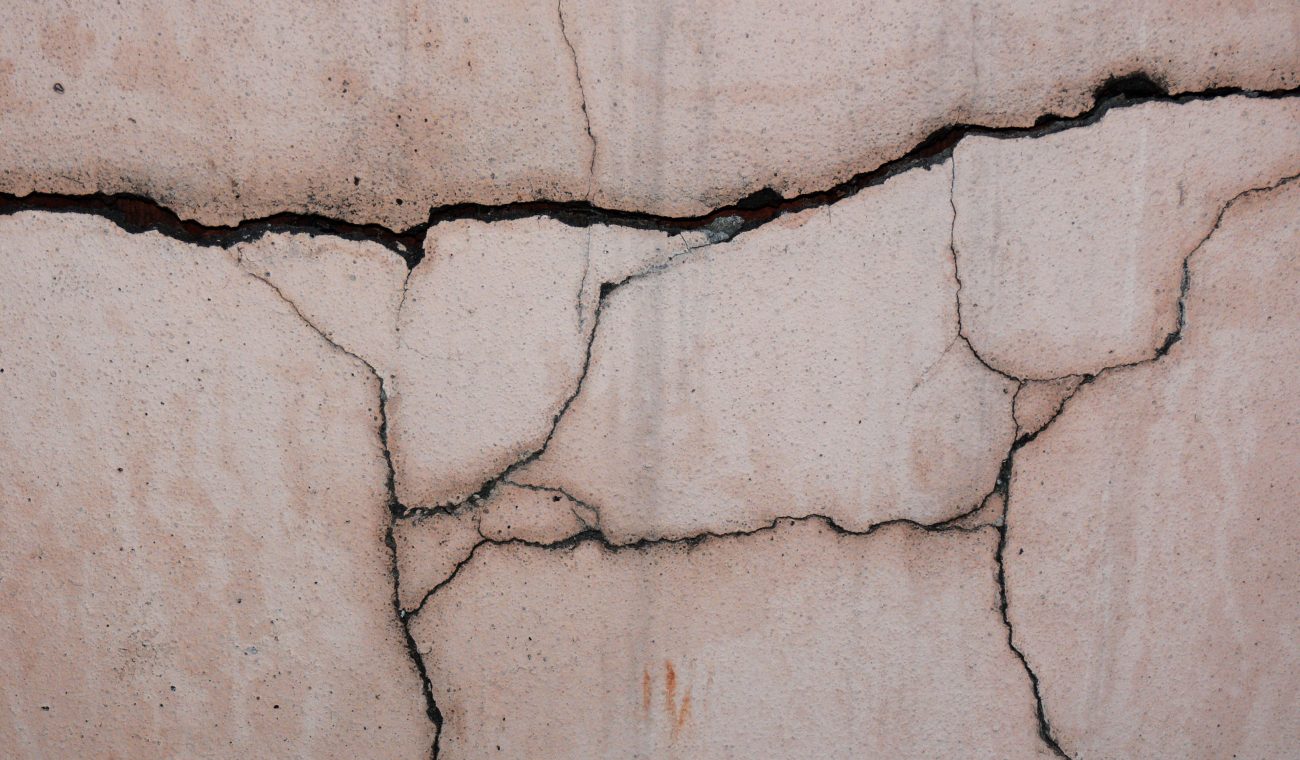
Homeowners should watch for new or widening cracks, uneven floors, and doors or windows that suddenly become difficult to operate. These signs do not automatically indicate a slab leak or foundation failure, but they warrant professional evaluation when they appear alongside plumbing concerns.
Addressing the leak early helps eliminate an ongoing source of unwanted moisture. If structural movement is suspected, a qualified foundation professional may also need to assess the property.
Insurance and Repair Planning Require Clear Documentation
An unexpected slab leak can create financial and administrative concerns beyond the plumbing work itself. Homeowners may need to coordinate plumbing repairs, flooring restoration, and other property maintenance.
Keeping clear records can make this process easier. Photographs of visible damage, plumbing inspection findings, repair estimates, and invoices help establish what was discovered and which work was completed.
Homeowners should also review their insurance policies rather than assume every slab leak or resulting expense is covered. Coverage can vary based on the policy, the cause of the damage, and the distinction between repairing the pipe and repairing affected property materials.
Contacting the insurer promptly and documenting the condition of the home can help clarify the next steps. A plumber can provide technical information about the leak, while the insurance provider determines applicable coverage.
Choosing the Right Repair Approach
Not every slab leak requires the same solution. The best approach depends on factors such as pipe material, leak location, accessibility, and the overall condition of the plumbing system.
A localized repair may work when the damaged section is accessible and the surrounding pipe remains in good condition. Pipe rerouting may be considered when accessing the original line would involve extensive disruption or when a section has recurring problems.
Before approving work, homeowners should ask the plumber to explain the proposed method, expected access requirements, and whether additional restoration may be needed. Comparing these details helps homeowners get more value from their repair investment while choosing a solution that addresses the leak effectively.
Take Action Before a Small Leak Becomes a Larger Concern
A slab leak can affect plumbing performance, indoor conditions, and the materials supporting a home. Waiting for obvious structural damage or extensive flooring problems can make an already inconvenient situation more complicated.
Scheduling a professional inspection when warning signs appear allows the source to be investigated and the appropriate repair to be planned. With timely attention, homeowners can limit continued water loss, protect surrounding materials, and make informed decisions about maintaining their property.