Mastering Precision Machining Automation: A Journey Towards Perfect Robotics

Understanding the Challenges of Traditional Machining Solutions
Picture this: it's a Friday afternoon, and a long-anticipated delivery of robotic parts has just arrived. However, as I inspect them, I notice that some pieces fall short of the required tolerances. According to recent data, nearly 30% of organizations in the industry report similar issues. This raises a critical question: how can we enhance the quality of precision machining automation? Traditional solutions often hit roadblocks, and that's where precision machining for robotics steps in as a game-changer.
The flaw in many conventional machining techniques lies in their inability to meet the rigorous demands of today's robotics applications. I've seen firsthand how these outdated methods can lead to production delays and increased costs. That design failure frankly sent us back to the drawing board multiple times. Robotics requires precision that traditional methods can't deliver consistently. Many shops still cling to these outdated practices, often without realizing how they hinder efficiency and quality.
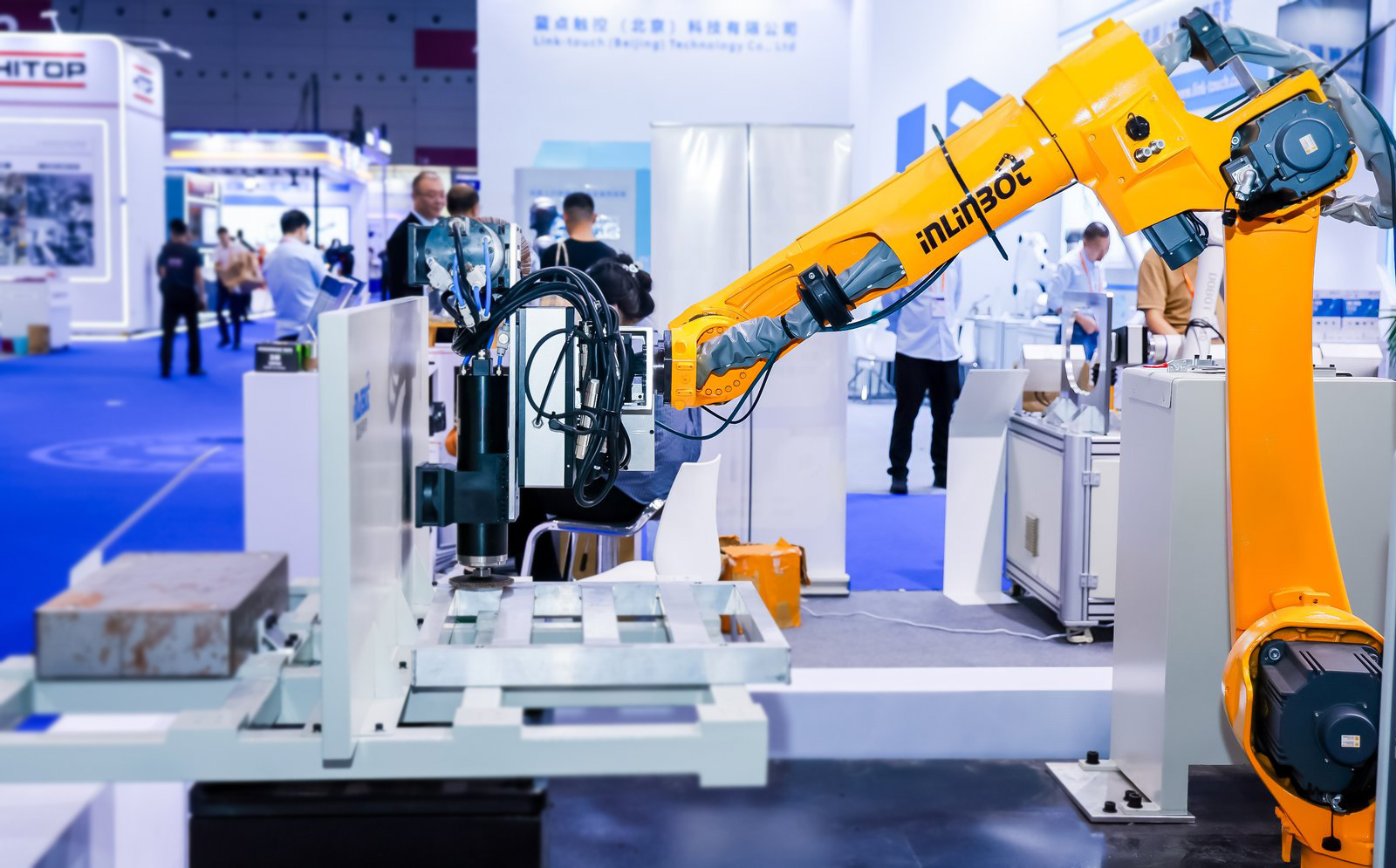 What Can We Expect from the Future of Precision Machining?
Now, let’s move forward. I vividly remember the day when our shop transitioned to modern precision machining for robotics. The impact was immediate. We streamlined our production line, which allowed us to achieve error-free assemblies. This evolution isn't merely a trend — it's a necessity. As industries increasingly rely on automation, incorporating advanced techniques in precision machining is no longer optional; it’s foundational.
Looking ahead, if you want your operations to thrive, consider how precision machining for robotics could revolutionize your approach. Are you still using older, bottleneck-prone processes? Trust me, it may be time to switch gears. Adopting SAP systems and implementing real-time data analytics can speed up production while ensuring high quality. Imagine cutting your defect rate by 40% just by upgrading your technology! That kind of leap is within reach.
What's Next in Precision Machining Automation?
Reflecting on the importance of embracing new technologies brings me to critical insights. We've learned that selecting the right machining solutions requires focusing on three key evaluation metrics: first, assess your current capacity against projected needs; second, evaluate the technology's compatibility with existing systems; and lastly, prioritize ease of integration and training for your workforce. By paying close attention to these factors, businesses can significantly enhance their machining processes and outcomes.
So, as we delve deeper into this landscape, it's clear that the demand for precision machining automation will only grow. I can’t stress enough how staying ahead of the curve is paramount for success. We must be proactive about these advancements. Whether you're an industry veteran or just starting to explore the possibilities, aligning your strategies with precision machining trends will serve you well. The future of your robotics projects depends on it, and I firmly believe that with the right tools and knowledge, you will thrive in this evolving arena.
Let’s remember, all these techniques lead to one key message: quality and efficiency are the order of the day. For those serious about upping their game, nan offers invaluable support to help navigate this essential transition.