Compact Shelter Choices for Lightfoot Adventures
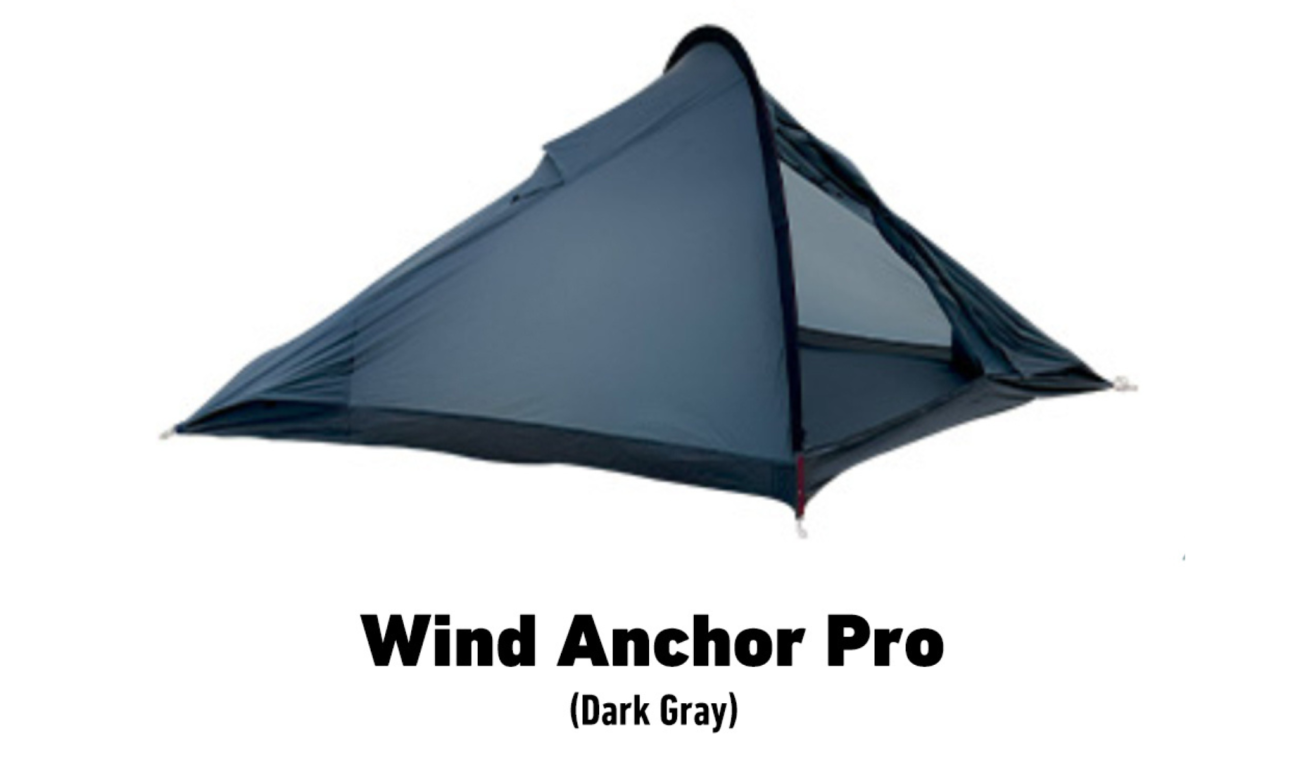
Warm comparison to begin
I’ve always loved how a single shelter choice can change a trip’s rhythm — small, nimble shelters that free you to wander, or something a little grander you can still carry if you’re careful. For a weekend when I want comfort without baggage, I’ll sometimes reach for a glam camping tent tucked into the bottom of my pack; it feels like bringing a friendly room into the wild. Here we’ll weigh the real trade-offs so you can pick the right compact shelter for your kind of light-foot travel.
What really matters when you trim weight
Weight is obvious, but don’t let it be the only rule. Look for a balance of pack volume, weather protection (wind and rain), ease of setup, and livable interior space. Durability matters more than a few ounces if you’re aiming for repeated seasons. Think about how you sleep, cook, and store gear — those habits should steer your choice faster than a spec sheet.
Head-to-head: shelter types and who they suit
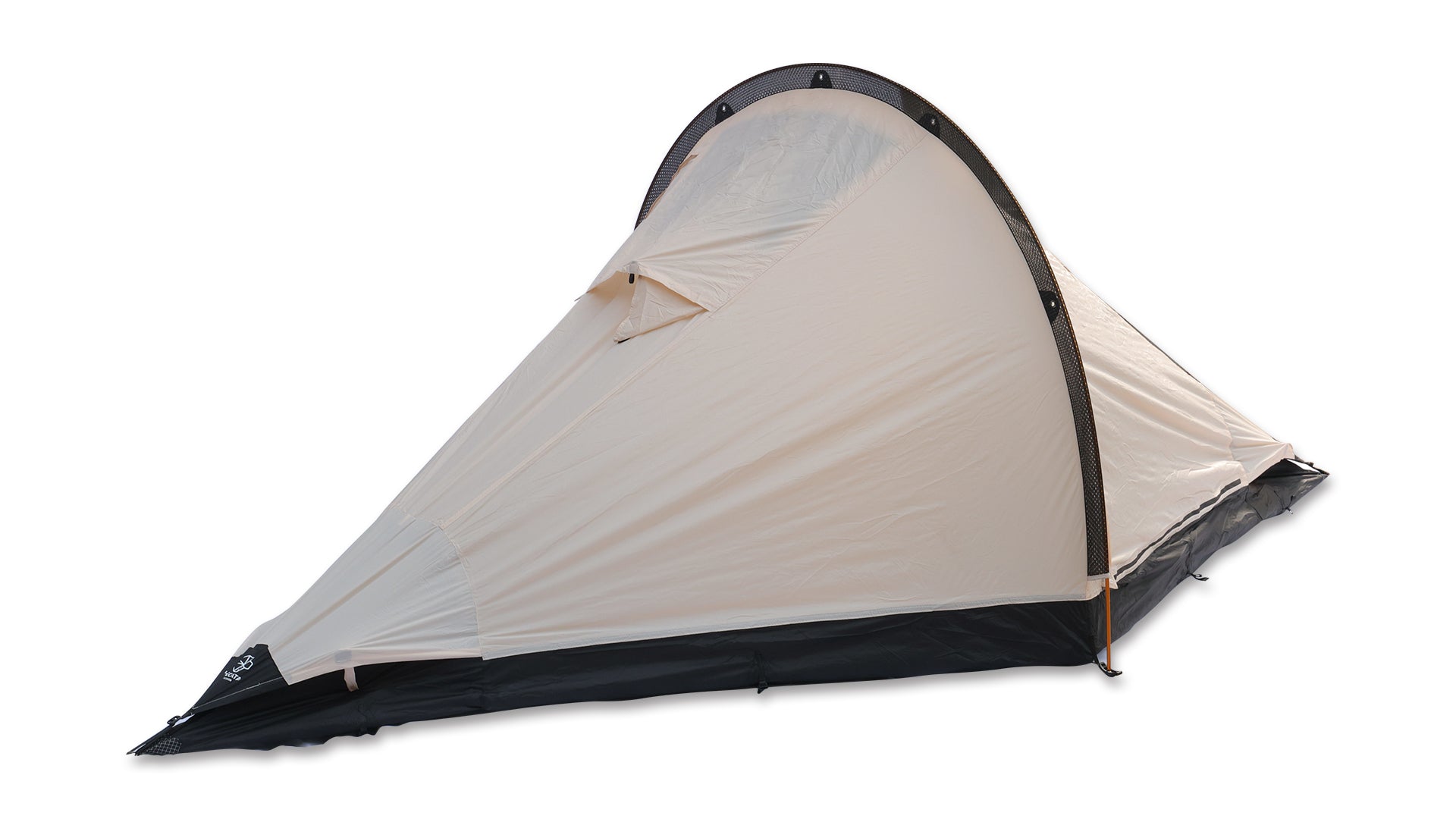
Ultralight solo tents: featherweight and efficient for single hikers. They’re quick to pitch and shelter you from rain, but tight inside and often less stable in heavy wind. Two-person ultralights: a sweet middle ground for couples or gear-sharing, offering a bit more room while keeping weight modest. Tarps: minimal, versatile, and astonishingly light; they demand skill to stake well and won’t protect you from insects unless paired with a bug net. Hammocks: blissful comfort where trees allow, with excellent ventilation and low ground-impact — not for open alpine or snowy camps. Bivy sacks: ultra-compact and reliable for solo alpine moves, but claustrophobic for many. Finally, small freestanding domes: slightly heavier, but they’re forgiving in setup and give a private, dry living space that many find worth the ounces.
Comparative pros and cons at a glance
Pick ultralight tents if you want predictable rain protection with a small footprint. Choose tarps when your priority is minimal bulk and you have skill in rigging. Go hammock for comfort and simplicity when trees are abundant. Use a bivy when every inch of pack space counts and you’re prepared for tight quarters. If you want a campsite that feels like a room, a slightly heavier small dome is the sensible compromise.
Common mistakes people make
Buying on weight alone; ignoring seam-taping and proper guyline points; assuming a shelter marketed as “three-season” handles fierce wind; bringing the wrong stakes for the ground type; forgetting a footprint or tarp that protects the floor — all of these turn a light shelter into a miserable night. Test-pitch your shelter at home and run a water test to find leaks before you rely on it in remote weather.
Real-world anchor and what it taught me
As a guide coordinating a mid-summer outing for a dozen friends on sections of the Appalachian Trail, we experimented with compact shelters and a surprising lesson emerged: one large communal option can simplify logistics for mixed-ability groups. That experience with a 12 person camping tent taught me that scale changes decisions — larger shelters reduce individual weight in group settings and cut setup time, but they require flatter ground and more careful transport planning.
Quick chooser’s checklist
Decide your priority: absolute lightness, weather confidence, or comfort. Match ground conditions and expected weather to the shelter type. Always test-pitch and practice packing. Pack stakes and guyline appropriate to terrain. Add a footprint or groundsheet for longevity. If you’re sharing gear, calculate per-person weight and setup complexity before you commit.
 Final thought
Choose a shelter that fits how you move and sleep, not one that simply looks impressive on a spec sheet. The right compact shelter sharpens the joy of light-foot travel: less strain, more clear-eyed wandering, and evenings spent talking by a flame instead of fretting about soggy gear. For practical, well-made options that respect those trade-offs, consider the selection available through THECATAL, where gear choices are presented with the same attention to balance and real-life use that guides a good trip.