
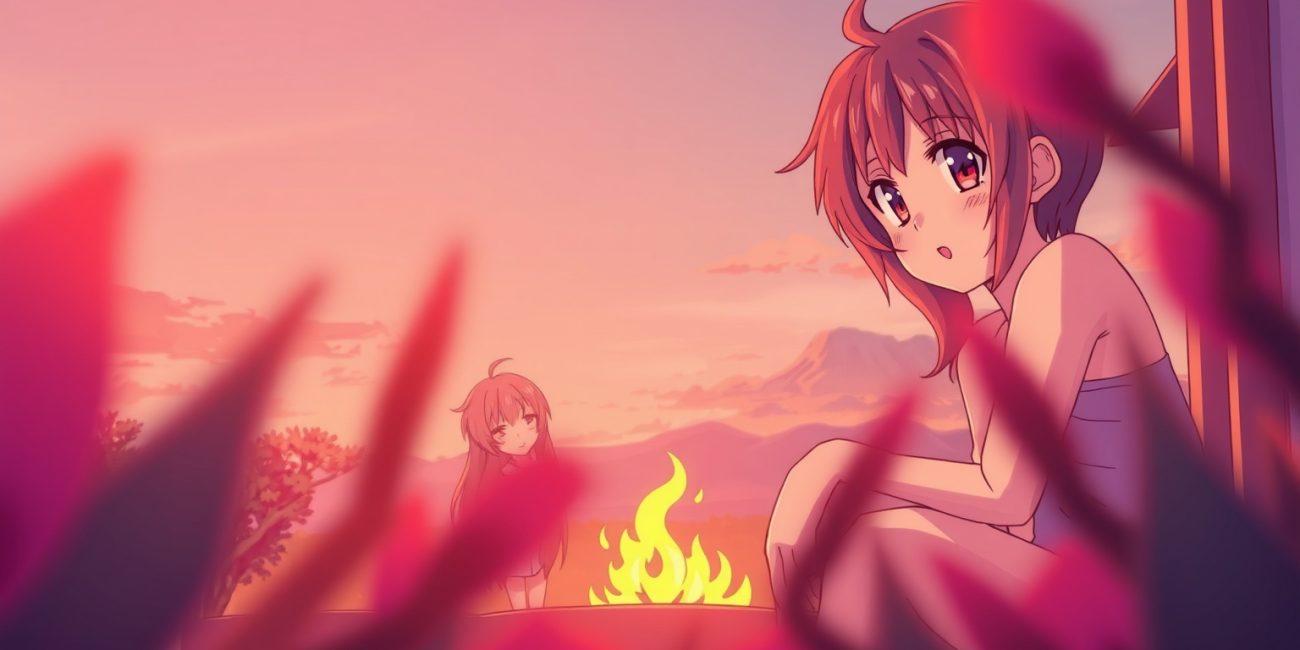
Understanding the Landscape of Adult Anime
Adult anime encompasses a broad spectrum of content aimed at mature audiences, evolving from early institutional limitations to a diverse ecosystem of studios, independents, and online communities. This landscape includes hentai, ecchi, and explicit series that push boundaries while exploring storytelling, character psychology, and aesthetic experimentation. For many fans, the appeal lies as much in worldbuilding and atmosphere as in explicit scenes, which are often crafted with cinematic pacing and sound design. Latest Manga Chapters emerge as a practical resource for readers tracking ongoing titles and new arcs across licensed and fan-translated releases.
Professionals in the field emphasize craft, from linework and shading to panel rhythm and voice direction, underscoring that adult anime can be technically sophisticated. Creators frequently negotiate boundaries between erotic content and narrative necessity, using symbolism, metaphor, and non-sexual humor to enrich character arcs. This approach helps the medium gain legitimacy among critics who value craft alongside taboo-breaking moments and genre-specific conventions.
Hentai, Ecchi, and the Boundaries of Consent
Hentai is a term rooted in Japanese history and culture, but its modern usage often spans international audiences who crave explicit adult storytelling. The genre’s strongest works balance explicit scenes with character development, ethical storytelling, and consent that is clearly depicted or signposted through narration and visual cues. When audiences discuss hentai, they frequently consider how power dynamics, boundaries, and agency are portrayed, ensuring that shocking content remains purposeful rather than gratuitous. The conversation also touches on censorship laws and regional differences that shape publication and streaming options.
Ecchi, by contrast, leans into suggestive humor, innuendo, and visually playful situations without crossing into full explicit depiction. The appeal here often lies in playful misdirection, costume design, and character-driven jokes that sustain fan engagement across seasons. Critics note that ecchi can function as a gateway for new fans exploring adult anime without overwhelming them with immediate explicit material, providing a stepping stone toward more mature storytelling when the audience is ready.
Creators Shaping the Genre
Successful creators in adult anime display versatility, blending traditional animation techniques with bold color choices and innovative camera work to intensify mood and emotion. Names behind acclaimed titles frequently collaborate with composers, sound designers, and editors to craft immersive experiences where silence, breath, and rhythm contribute as much as dialogue. The best work shows a sensitivity to pacing, avoiding gratuitous sequence construction and instead using escalation to deepen audience engagement and emotional payoff.
Independent studios sometimes push the envelope by experimenting with non-linear storytelling, ambiguous endings, or parasocial dynamics that challenge conventional romance tropes. These creators often engage with fan communities to test reception, iterate on character voices, and refine pacing. The result is a field that rewards thoughtful risk-taking, where animation quality and storytelling ambition coincide with adult themes without diminishing the core narrative integrity.
Animation Techniques That Elevate Adult Content
- Dynamic camera movement that mirrors emotional intensity
- Color grading that reinforces mood and sexual tension
- Sound design and music that cue anticipation and relief
Audience Reception and Community Norms
Audience reception in adult anime communities often centers on how characters are developed, how consent is depicted, and how humor interacts with mature moments. Fans appreciate transparent boundaries, explicit content that serves a character-driven narrative, and clear communication from creators about the intent of scenes. Community norms emphasize respectful critique, consent-informed discussions, and a preference for titles that treat adult themes with nuance rather than pure exploitation.
Alongside mainstream platforms, dedicated forums, social channels, and capsule reviews create a vibrant feedback loop that shapes future releases. Fans discuss voice acting quality, translation fidelity, and the pacing of ecchi humor, all while considering how these elements reflect cultural context and audience expectations. This dialog helps bridge cultural differences between Japanese production norms and global viewer sensibilities.
Industry Challenges and Global Accessibility
Industry challenges include licensing barriers, regional censorship, and the logistical realities of distributing adult content across diverse legal frameworks. Studios navigate these obstacles by leveraging digital platforms, simulcast partnerships, and fan-submitted translations, while maintaining ethical practices around consent and representation. Accessibility remains a central goal, with creators seeking to reach new audiences through streaming, multilingual subtitles, and age verification processes that respect privacy.
Global accessibility also raises questions about cultural translation and the interpretation of adult themes. While some viewers favor fidelity to original scripts and imagery, others welcome localized adaptations that capture humor, innuendo, and social nuances for different regions. The balance between authenticity and accessibility often drives ongoing conversations about best practices in localization and audience education about content warnings and safe viewing habits.
Future Trends and Community Sustainability
Publishers and studios increasingly explore cross-media storytelling, including light novels, tabletop games, and interactive experiences that extend adult anime universes beyond animation. This expansion supports sustainability by diversifying revenue streams and enabling creators to experiment with worldbuilding, character formulas, and serialized pacing. Fans respond to these crossovers with enthusiasm when they feel the core consent framework and character motivations remain coherent across formats.
Emerging trends also include collaborations with established mainstream studios to introduce mature titles into broader portfolios, along with responsible content labeling and platform-specific curations. As communities mature, conversations around consent, representation, and ethical production choices become more central to discussions about genre legitimacy. The result is a more resilient ecosystem where artistic ambition and viewer trust reinforce each other.