What Should You Check Before Calling a Plumber for a Clogged Toilet?
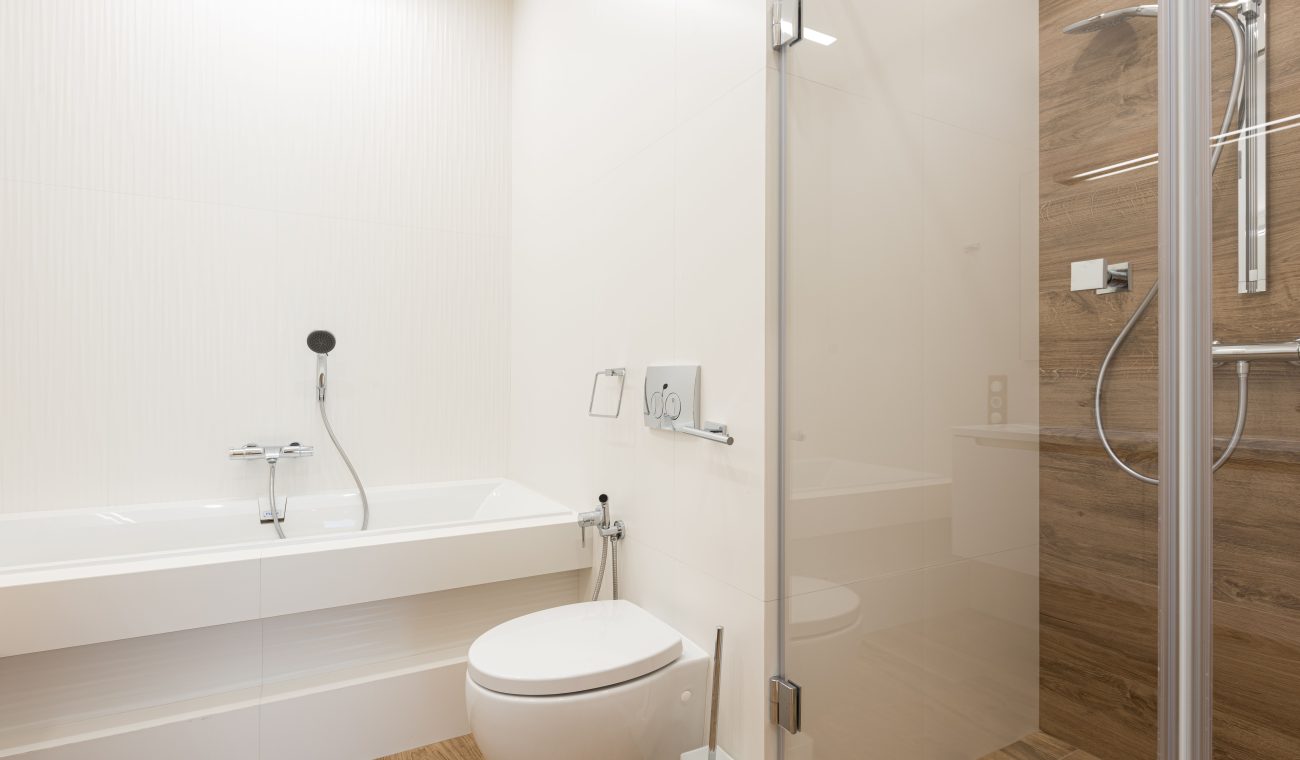
A toilet that refuses to drain properly can create more than an inconvenient bathroom situation. It may affect other plumbing fixtures, produce unpleasant odors, and signal a problem somewhere deeper in the drainage system. While reaching for a plunger is often the first reaction, repeatedly trying to clear a stubborn blockage without understanding its cause can make the situation more difficult.
Knowing what to check before contacting a plumber for a clogged toilet can help homeowners explain the problem and avoid unnecessary troubleshooting. From identifying unusual drainage patterns to understanding how the plumbing system works, a little preparation can make professional service more effective.
Determine Whether the Clog Affects One Toilet or the Entire Home
Start by checking whether the problem is limited to one toilet. If other bathrooms and plumbing fixtures work normally, the obstruction may be inside the affected toilet or its individual drain line.
However, if multiple toilets drain slowly or water backs up into a shower or bathtub when another fixture is used, the problem may involve a shared drain or main sewer line. These symptoms suggest that wastewater may not be moving through the plumbing system as it should.
Avoid testing every fixture repeatedly if you suspect a larger blockage. Additional water entering an obstructed drain could cause wastewater to back up into the home. Instead, explain which fixtures are affected when scheduling a plumbing inspection.
Pay Attention to What Happens After Flushing
The way a toilet behaves during a clog can provide useful information. For instance, water that rises before slowly returning to its normal level may indicate a partial obstruction. A toilet that makes bubbling or gurgling sounds could point to drainage or ventilation problems.
Notice whether the toilet flushes normally at first but becomes clogged again after several uses. Recurring problems may indicate that an obstruction has not been completely removed or that another plumbing issue is affecting the drain.
Do not keep flushing to reproduce the symptoms. If the water level approaches the rim, turn off the toilet’s water supply and allow a professional to investigate.
Consider Whether the Toilet’s Design Contributes to the Problem
Not all toilets have identical flushing performance. Older fixtures may use more water per flush, while newer low-flow models are designed to operate with less water. Although modern toilets can provide effective performance, their flushing systems may respond differently to excessive paper or unsuitable materials.
The toilet’s internal components also matter. A malfunctioning flapper, improperly adjusted fill valve, or weak flush can affect how effectively waste moves through the trap and into the drain.
If the toilet frequently leaves waste behind or requires multiple flushes even when there is no obvious blockage, mention this to the plumber. The problem may involve the fixture’s flushing mechanism rather than a simple obstruction.
Think About What May Have Entered the Drain
Some toilet blockages develop because items that do not break down easily are flushed. Wet wipes, paper towels, cotton products, and personal hygiene items can become trapped in the toilet’s internal passage or travel farther into the drainage system.
Children may also accidentally flush small toys or household objects. These items can create stubborn obstructions that ordinary plunging may not remove.
If you know or suspect that something unusual entered the toilet, tell the plumber. Avoid using a coat hanger or another improvised tool to retrieve it because this can scratch the porcelain, push the object deeper, or damage the toilet’s internal components.
Avoid Treatments That Can Complicate the Repair
When a toilet remains blocked, homeowners sometimes turn to chemical cleaners or homemade mixtures. However, these approaches are not always suitable for toilet plumbing.
Strong chemical products may create hazardous splashes or expose anyone working on the drain to corrosive substances. Mixing different cleaners can also produce dangerous reactions. Boiling water is another poor choice because sudden temperature changes can damage porcelain.
A toilet plunger or appropriately sized toilet auger may help with a minor blockage, but stop if the obstruction does not respond. A professional can choose equipment suited to the location and nature of the problem without unnecessarily damaging the fixture.
Know What to Ask When Comparing Plumbing Services
Choosing a plumbing company involves more than finding someone who can arrive quickly. Homeowners should understand what the service includes and how the plumber plans to identify the cause of the blockage.
When comparing providers, including companies such as Airco, consider their experience with toilet and drain problems, availability, diagnostic approach, and pricing transparency. Ask whether the quoted service covers clearing the obstruction or whether inspection and additional repairs may involve separate charges.
It is also helpful to ask what happens if the clog returns shortly after service. Understanding any applicable service guarantees or follow-up policies can help you evaluate the overall value of the work.
A reliable professional should be able to explain the findings in understandable terms and discuss the available solutions before proceeding with additional repairs.
Prepare Useful Information for the Appointment
Before the plumber arrives, think about when the problem started and whether anything changed around the same time. Recent plumbing work, a new toilet installation, or repeated drainage problems may provide useful context.
Clear the area around the toilet so the plumber has room to inspect the fixture. Keep children and pets away from the bathroom, especially if wastewater has overflowed.
If the toilet has leaked onto the floor, avoid direct contact with contaminated water. Use appropriate protective equipment when handling cleanup and disinfect affected surfaces.
Providing an accurate description of the symptoms can help the plumber determine where to begin and whether additional drain inspection is necessary.
Prevent the Same Problem From Returning
Once the blockage is removed, review the household’s flushing habits. Toilets should generally receive only human waste and toilet paper. Even products marketed as flushable may not break down as readily as ordinary toilet paper.
Keep a small wastebasket in the bathroom for wipes, hygiene products, cotton swabs, and other disposable items. If children use the bathroom, explain why toys and household objects should never go into the toilet.
Homeowners should also pay attention to changes in flushing performance. Slow drainage, repeated clogging, and unusual sounds deserve attention rather than repeated temporary fixes.
Get the Right Solution for Your Plumbing Problem
A clogged toilet does not always have a straightforward cause. The issue may involve the fixture, an individual drain, or a larger section of the plumbing system. Checking the symptoms before scheduling service helps homeowners provide useful information and avoid methods that could make the situation worse.
Whether the blockage involves an unsuitable flushed item or a deeper drainage concern, professional evaluation can identify the appropriate solution. Addressing the problem correctly helps restore normal bathroom use and reduces the chance of another unexpected plumbing disruption.