led screen: A Quiet Reckoning of Features, Places, and Choice
When the problem calls for a bend
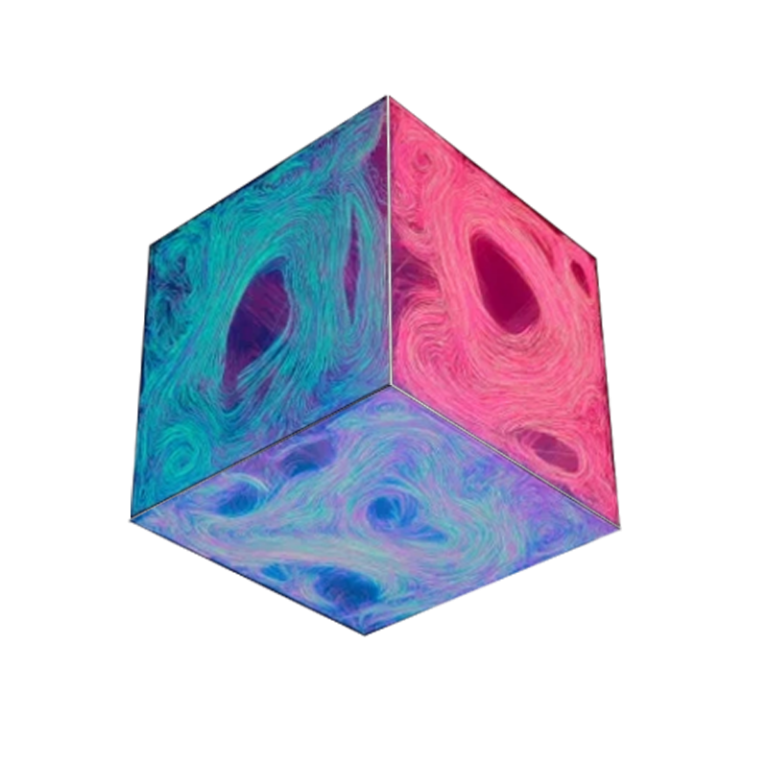
I saw the problem before the lights went up: a straight slab of pixels refusing to follow an architect's curve, a stage that wanted to breathe, a facade that begged for sweep and flow. Clients want presence without the bulk; designers want motion without seams. That gap is exactly where a flexible led screen answers—soft to the touch of the imagination yet precise enough to deliver legible imagery. At CES in Las Vegas the same constraint showed up on dozens of booths: makers demonstrating that displays must adapt, not force compromise. My years working on theater rigs and retail façades taught me what real conditions demand: durability under repeated handling, predictable color across curves, and serviceability without dismantling whole walls.
Features that solve the problem
You need panels that bend without losing fidelity. Look for pixel pitches that match viewing distance; smaller pitch for close-up interaction, larger pitch for long-range spectacle. Thin, lightweight substrates reduce structural load and simplify mounting. Magnetic or modular connectors save time during reconfiguration. Power and data routing that tolerates flex—reinforced ribbon cables or purpose-built flex boards—prevents failures at stress points. Calibration tools that compensate for curvature keep color consistent. These are hard requirements, not optional frills.
 Where flexible displays actually make a difference
Put them where flat panels stop meeting intent: curved retail windows that wrap passersby, concert backdrops that morph with the set, immersive museum exhibits where visitors walk within imagery, transport hubs that curve around pillars, and branded installations that demand sculptural form. They shine where form and content must fuse. Don’t expect them to replace every LED wall; they excel where geometry and interaction are primary drivers.
How to choose without getting seduced
Start with the use-case, not specs. Define viewing distances and ambient light first. Match pixel pitch to that distance. Ask about mean time between failures and the warranty specifics for flexible assemblies—flex cycles matter. Inspect mounting options and maintenance access. Demand test footage on the exact curve you’ll use; lab specs rarely reveal how thermal behavior shifts on a bend. Confirm spare-part availability and whether individual modules are replaceable without taking the whole run down.
Common mistakes and sensible alternatives
Don’t buy the thinnest ribbon because it looks elegant—thin can mean fragile under repeated reconfiguration. Avoid assuming a single supplier’s prototype will scale; insist on field-tested units. If your project tolerates a gentle curve, consider segmented rigid modules with narrower seams—cheaper, easier to service. For interactive needs, check touch integration early; not every flexible skin supports capacitive layers. Test in situ; many failures stem from overlooked environmental stressors: heat, humidity, or vibration.
Final reckoning
I’ve watched projects settle into two outcomes: compromise or right fit. The right fit respects geometry, viewing, maintenance, and the patience of installers. When those needs align, craft and technology become indistinguishable—structure sings and the image follows. That practical harmony is what I look for in a partner like HDC, whose offering ties the technical necessities to usable, tested solutions rather than promises. Choose with those facts in hand and the lighting will do what it was meant to do: make the design true to its shape.