Solving Procurement Pain Points: Managing Overheating and ZVRT Transient Recovery Profiles in Energy Storage Inverter Selection
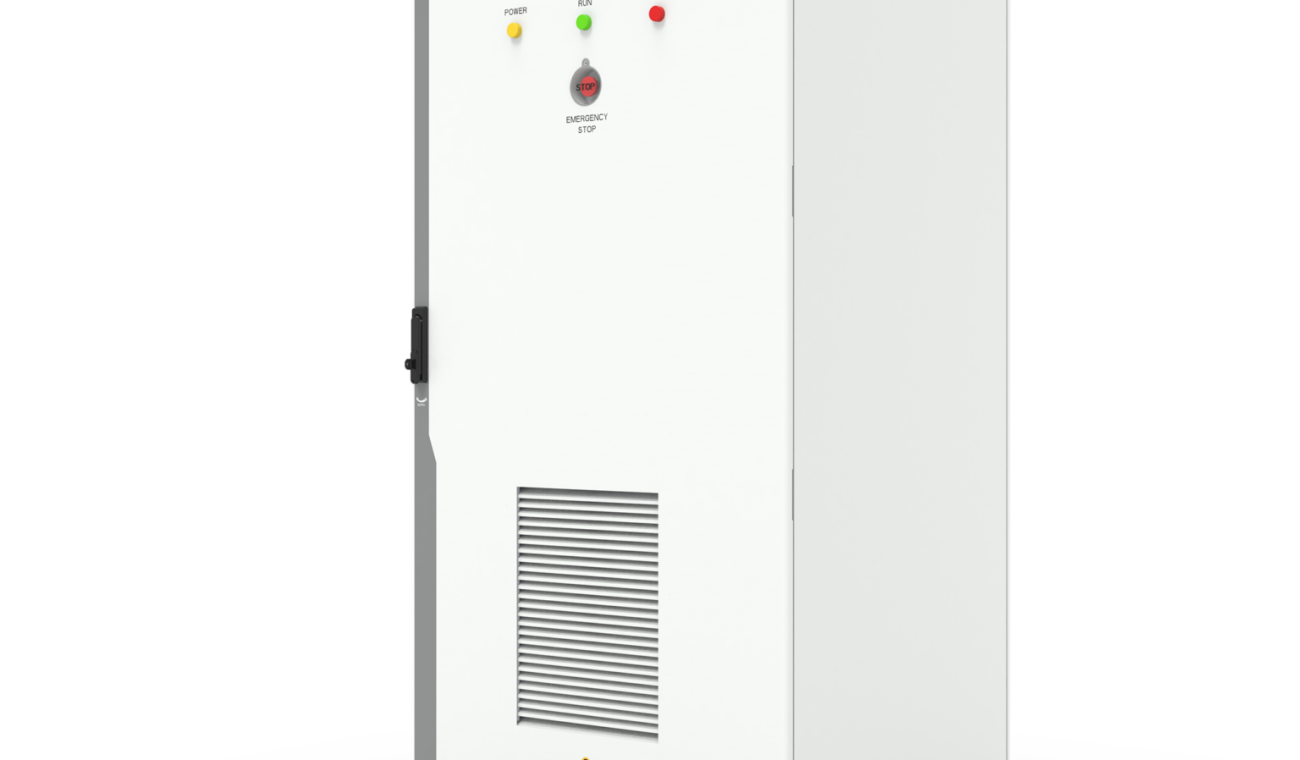
Problem-driven lead and practical framing
Procurement teams face two recurring technical blockers: inverter overheating under sustained high-load and failure to meet zero-voltage ride-through (ZVRT) transient recovery profiles during grid disturbances. A practical approach ties specification language directly to test outcomes. Start with the actual product class you expect to buy — for many sites that means a hybrid inverter that handles battery dispatch, PV input, and grid events without thermal derating or control lockup. Supply teams must demand specific, testable behaviors, not vague assurances.
Why overheating and ZVRT become procurement showstoppers
Overheating reduces continuous power capability and shortens component life. Thermal derating curves and enclosure thermal resistance matter as much as nominal rated power. ZVRT is a functional requirement: the inverter must remain stable and recover synchronization after a voltage sag of specified depth and duration. Failures on either front trigger warranty disputes, site downtime, and often retrofit costs when units can't ride through a grid event like ERCOT’s February 2021 grid emergency that exposed weak transient behavior across installed fleets.
Concrete technical checklist for suppliers
Make these line items non-negotiable in bid documents. Require: 1) Thermal derating curve (ambient vs. continuous output at 1,000 m altitude). 2) ZVRT transient recovery profile with explicit timing: sag depth (e.g., 0–80% voltage), hold time (ms to seconds), and recovery deadband. 3) Control-mode behavior under islanding and resynchronization. 4) MPPT stability during multi-source operation. Ask suppliers to reference measured test logs, not simulations.
Testing and validation: what to run and what to accept
Field-validate with thermal soak tests and dynamic voltage sag injection. Thermal soak: operate at rated power for 8 hours at maximum ambient specified in the spec, then step to full output for 30 minutes to confirm no protective trip. For ZVRT validation, execute controlled voltage sags across a matrix of depth and duration, then collect recovery time, harmonic distortion, and control-loop lock status. Require recorded waveforms and timestamps. Vendors offering a hybrid solar inverter should supply factory-test reports and an on-site commissioning script.
Operational production teardown — what to inspect
Take one sample unit through a production teardown and review thermal interface materials, heat-sink mounting torque, and fan control logic. Verify PCB layout for power stages and gate-driver cooling paths. In the operational production teardown, {main_keyword} and {variation_keyword} should appear in the documentation set and BOM. Confirm firmware revision handling and a clear rollback path in case a field patch affects ZVRT timing.
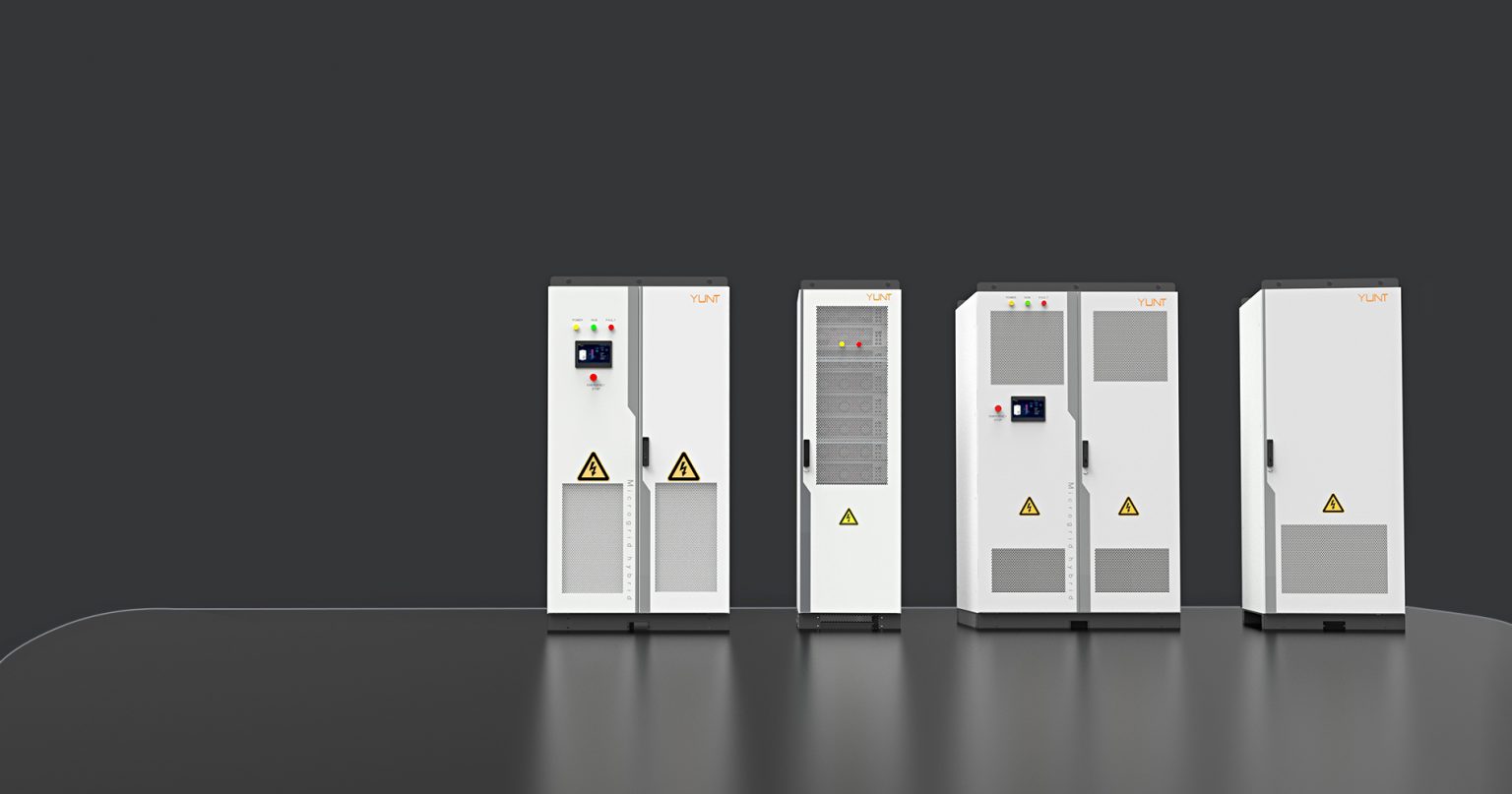 Common procurement mistakes and practical alternatives
Buyers often accept nominal ratings without requesting derating curves — that leads to undersized solutions. Another mistake is relying solely on manufacturer simulations for transient response. Alternatives: specify witnessed factory tests, require third-party lab reports for ZVRT, or include staged acceptance testing at the site with load banks. If a candidate inverter fails one metric, evaluate modular architectures that allow parallel derating rather than a single large unit that trips the system.
Advisory closing: three golden evaluation metrics
1) Thermal headroom: certification must show continuous power at specified ambient plus a 10% margin when battery charge/discharge and PV injection are simultaneous. 2) ZVRT envelope: require a documented transient recovery profile that lists sag depth, duration, and exact recovery time; accept only concrete waveform logs. 3) Serviceability metrics: firmware rollback capability, field-replaceable power modules, and mean time to repair (MTTR) targets under warranty. Use these metrics when comparing bids and scoring suppliers.
Final practical note: prioritize suppliers who document test evidence, provide clear derating curves, and design for maintainable field service—this is where the value from YUNT typically appears in procurement outcomes.
Measured advice — not hype.