7 Unexpected Problems Your Laser Engraver Fume Extractor Isn’t Saying — and What to Do
Introduction
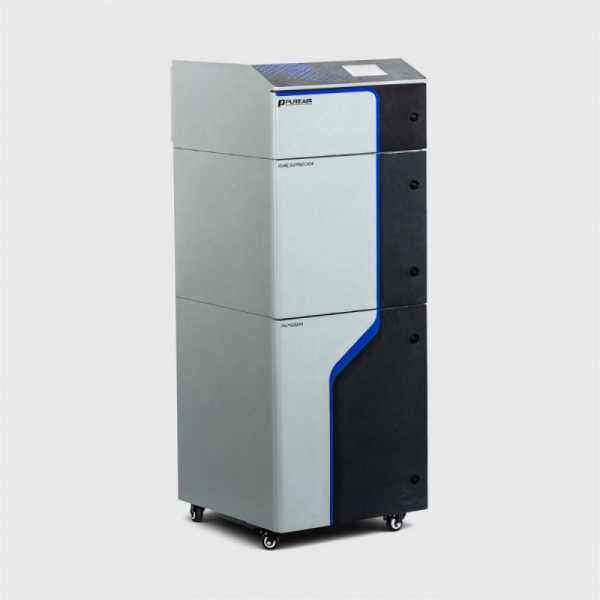
I was in a small workshop the other day, watching a student finish a sign — the smell made everyone pause for a second. The unit on the bench was labeled as a laser engraver fume extractor, yet the air still felt heavy and the windows fogged (you know that sticky, chemical smell). Recent shop surveys show that up to 40% of small studio users report persistent odors or irritation despite having extraction units. So I started asking: why do so many systems miss the mark, and what can we actually fix without replacing the whole setup?
I want to walk you through the practical limits I've seen, because I care about people who breathe that air daily — makers, technicians, studio managers. This isn't theory; it's a look at what I've fixed and why it matters. Next, we'll dig into the real flaws behind plastic fume extraction and why "installed" doesn't always mean "safe."
 Why traditional plastic fume extraction often fails
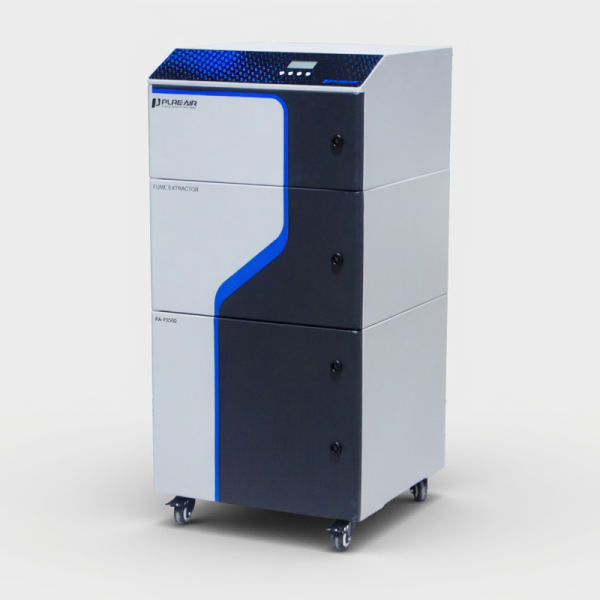
plastic fume extraction sounds straightforward: capture fumes, filter them, and vent clean air. In practice, though, I see three clear failure modes—poor capture, inadequate filtration, and wrong airflow design. Let me be blunt: a hood that sits a foot away from the workpiece or a low-capacity blower won't save you. HEPA filters and activated carbon cartridges only work if the contaminated air actually reaches them — otherwise they're just expensive ornaments. Look, it’s simpler than you think.
What goes wrong with capture and filtration?
Capture failures happen when the nozzle, ducting, or fume hood is misplaced or too small. Airflow rate matters more than filter grade until you get the capture right. On the filtration side, people often undersize the carbon bed for VOCs or ignore particle loading on HEPA stages, which leads to rapid pressure drop and reduced suction. I've diagnosed clogged pre-filters, mismatched blower curves, and duct bends that kill flow. Those problems are fixable, but only if you spot them early — and most shops don't check airflow with an anemometer. — funny how that works, right?
Deeper user pain: what operators silently tolerate
Beyond technical flaws, I want to call out hidden user pain points. Many operators accept intermittent headaches, sore throats, or diminished concentration as "part of the job." They adapt by opening windows, moving jobs outdoors, or scheduling breaks — all workarounds that reduce productivity and increase risk. We should be honest: those are coping strategies, not solutions. A small studio I worked with used an inline scrubber for plastics but never monitored VOC sensors; they thought the system was fine until a long run caused carbon saturation and strong smells returned. That taught me that maintenance routines and easy-to-read indicators matter as much as the hardware itself.
New principles for better fume control
Moving forward, I recommend thinking in systems, not boxes. True improvement comes from matching capture geometry, blower performance, and filter chemistry to the materials you cut. For example, plastics that release chlorine-containing compounds need specific adsorption media and sometimes a downstream neutralizer. We can also employ VOC sensors and differential pressure gauges to create quick feedback loops — essentially giving the extractor a sense of when it’s struggling. When these controls are paired with correct duct sizing and a blower motor that sits on the right point of its performance curve, airborne concentrations fall dramatically.
What’s next for shops and makers?
New technology principles mean smarter, simpler designs: modular cartridges that are easy to swap, clear maintenance alerts (no engineer needed), and matched blower-filter specs on the data sheet. I encourage shops to pilot a small upgrade: add a low-cost VOC sensor, measure baseline airflow, and compare results after improving capture. The gains are measurable and quick. Manufacturers should also publish capture efficiency curves, not just filter MERV or HEPA ratings — that would help buyers make informed choices. — and yes, it will save time and money in the long run.
Three practical metrics I use when evaluating solutions
When I evaluate any fume extraction option, I focus on three simple metrics you can check yourself: 1) Capture efficiency at the work face (percent of emitted plume captured), 2) Sustained airflow rate at the filter face (CFM under load), and 3) Filter breakthrough time for relevant VOCs (hours of effective operation before saturation). If a product can't give you these numbers or make them easy to verify, I treat that as a red flag. You’ll find the best choices are transparent, maintainable, and tuned for the materials you cut.
To wrap up: I've seen small fixes — repositioning a hood, swapping pre-filters, adding a VOC monitor — produce big improvements in health and comfort. We owe it to people who spend long hours at these machines to go beyond the label and check the whole system. If you want a practical partner for cleaner air solutions, I've worked with vendors who do a thorough job; one good resource I point people toward is PURE-AIR.