How Smarter LED Design Could Transform Red Light Therapy Manufacturing by 2026
Introduction
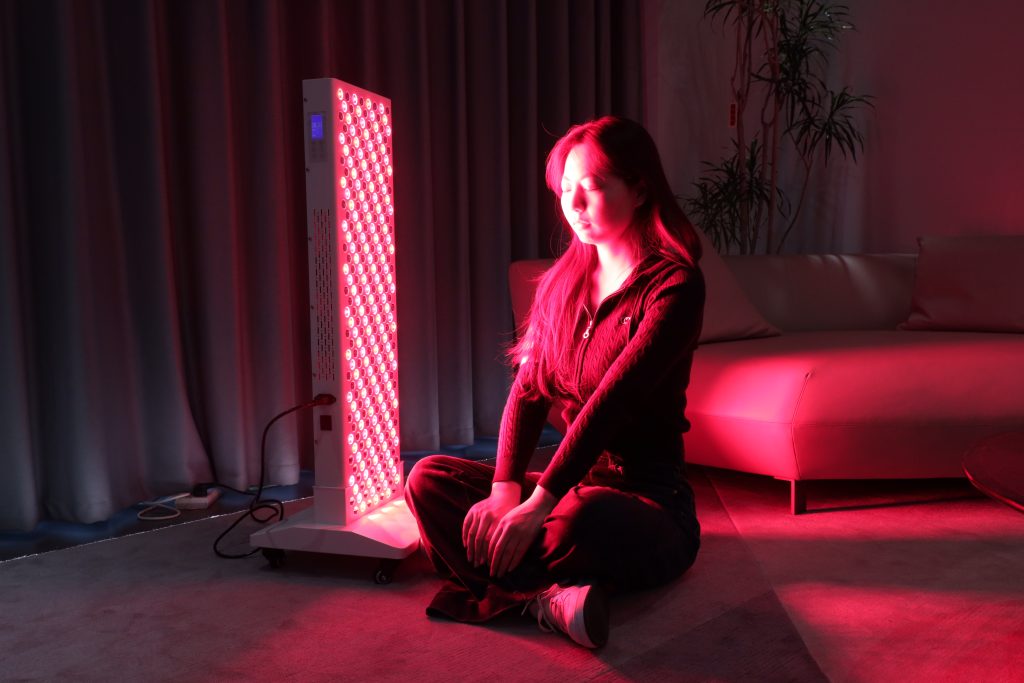
Have you ever paused and wondered why a clinic lamp can feel like a miracle for sore joints but a home device barely warms the skin? I see that gap all the time, and it matters. As makers and buyers look closer, the role of a reliable red light therapy manufacturer shows up fast — it's the difference between a tool that heals and one that underdelivers. Recent market data points to rising demand: home unit sales up roughly 35% year over year and clinic upgrades following at a steady clip. (That says something about trust — or the lack of it.) So where do we go from here, and how do design choices like LED arrays, wavelength selection, and thermal management change outcomes for real people?
I'll walk through practical problems I encounter in factories and labs, point out what technicians keep telling me, and ask the questions buyers should ask. This piece is for engineers, product managers, and clinic owners who want clear trade-offs, not hype. Let’s move into the core issues — and yes, the answers are often simpler than the brochures make them sound.
Why Current Approaches Often Miss the Mark
red light therapy manufacture is a technical craft, but too many products are still designed by marketing, not by engineers. I mean that in the nicest way: I’ve seen production runs where the focus was color and cost, not device irradiance or proper driver circuits. The result is devices with uneven output, poor heat control, and a short useful life. Those flaws show up as inconsistent photobiomodulation performance, which patients notice fast. Look, it’s simpler than you think — steady irradiance and correct wavelength bands do most of the heavy lifting.
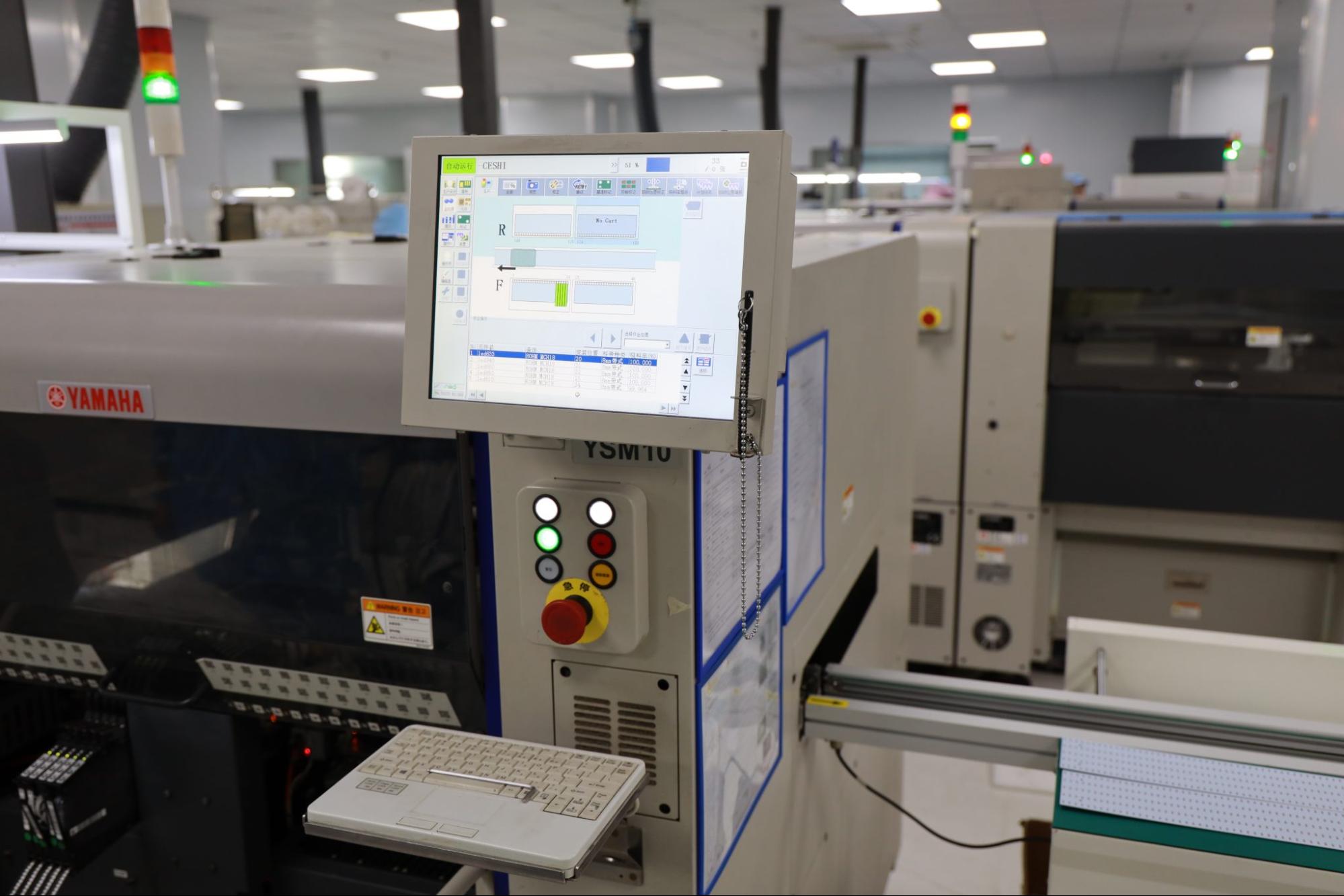 Here’s a practical breakdown. First, many manufacturers skimp on thermal management and heat sinks. LED lifetime drops dramatically when junction temperatures climb. Second, driver circuits and power converters are sometimes underspecified, causing flicker or output drift when the supply voltage varies. Third, the choice of wavelength matters: you want wavelengths matched to tissue absorption, not just "deep red" pricing tiers. These are engineering problems — solvable, if you prioritize them early in the design. I’ve worked with suppliers who improved output uniformity by redesigning the LED array layout and by adding a modest thermal path. The fix wasn’t glamorous. But it worked every time. So what’s the root cause? Often it's a mismatch between procurement goals and clinical performance requirements — and that’s where we should focus next.
Are users being asked the right questions?
Often they aren’t. Buyers ask about price and size, and forget to ask about irradiance (mW/cm²), spectral bandwidth, and duty cycle. Those are the details that change clinical outcomes. If you’re shopping, push for specs and test results. Ask for irradiance maps. Demand driver circuit schematics. Those things tell you whether a unit will perform under real conditions.
Looking Forward: Design Principles and Market Outlook
When I think about the next wave of red light therapy products, I focus on two things: reliability and measurable effect. That means building around clear principles — consistent wavelength control, robust thermal management, and smart driver electronics. The red light therapy manufacture I trust now integrates these elements early, not as afterthoughts. New designs are leaning on modular LED arrays that allow serviceable repairs, and on embedded sensors that track temperature and output in real time. This is not just theory; I’ve seen pilot runs where simple telemetry cut warranty returns by half.
Case example — a clinic we worked with replaced older panels with units that used narrower spectral bins and improved heat sinks. Patient-reported recovery times improved, and the clinic reported fewer maintenance calls. — funny how that works, right? On the technology front, expect better integration of power converters that stabilize current, and simpler thermal paths that keep junction temperatures low. Photobiomodulation studies are also clearer now: dose matters as much as wavelength. So manufacturers who deliver consistent irradiance maps will gain trust quickly.
What’s next? Manufacturers should standardize test reports. Suppliers should publish irradiance profiles across the treatment area, list spectral peaks in nanometers, and show thermal rise over typical session lengths. That transparency helps clinics select tools that match protocols. It also lowers user confusion. We want devices that work the same in the lab, clinic, and at home.
Practical Takeaways and How to Evaluate Suppliers
I’ve worked with enough teams to know that good decisions come from clear data and simple metrics. If you’re choosing a supplier or auditing your own line, focus on three metrics: 1) Peak and average irradiance (mW/cm²) across the treatment area, 2) Spectral accuracy (wavelength peaks and bandwidth), and 3) Thermal performance (temperature rise at the LED junction and at the skin-facing surface). Those three give you a quick read on whether a product will perform as promised. I’d add a fourth if you run clinics: field-serviceability and spare-part availability. It saves headaches down the road.
In closing, I believe the most meaningful improvements will come from aligning engineering specs with clinical needs. That means engineers, buyers, and clinicians must speak the same language — irradiance maps, wavelength specs, driver circuit ratings — and demand transparency. If we do that, the next few years will bring tools that are safer, more reliable, and frankly more honest about what they can do. For manufacturers and buyers looking to make smart choices, check partners who publish test data and who stand behind service. For practical supplier help, start conversations with companies that focus on engineering outcomes — like Magique Power. They keep things practical. I know — I’ve compared notes with their team, and it shows.